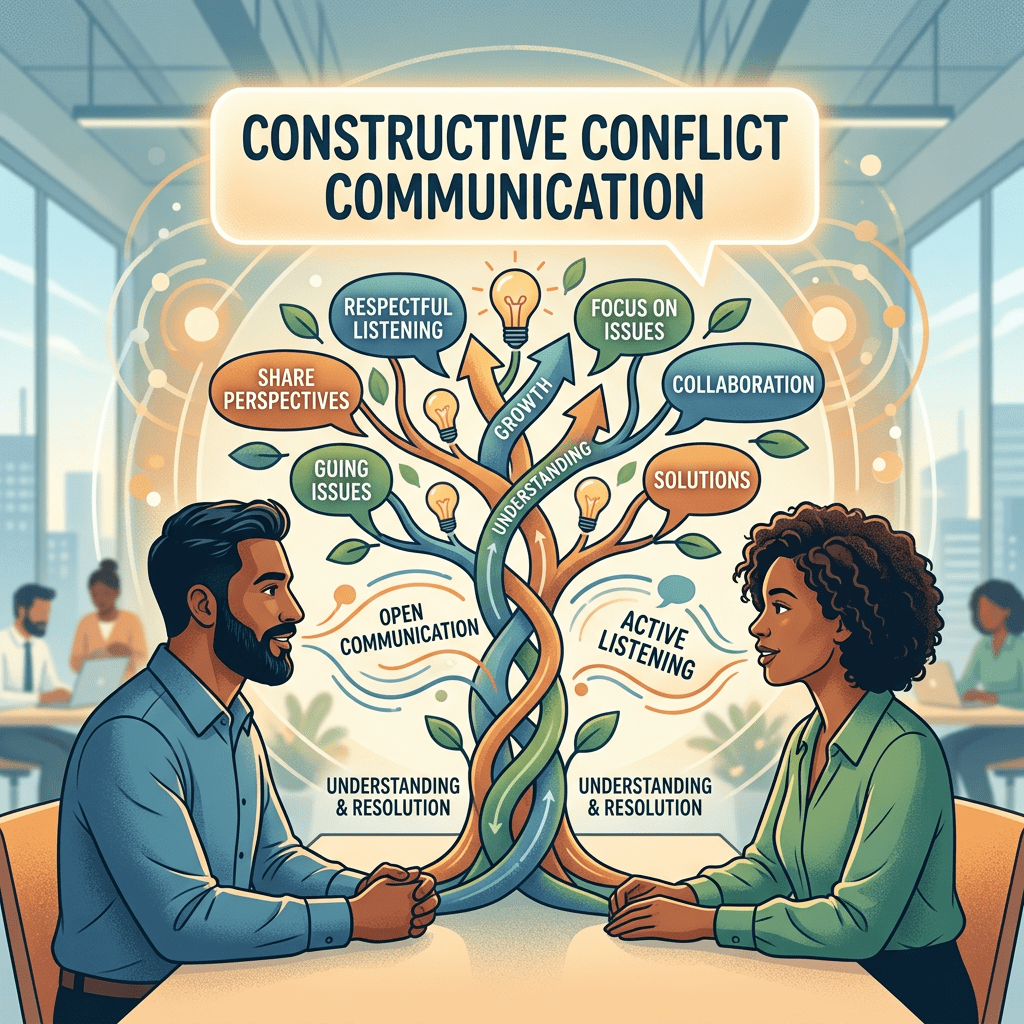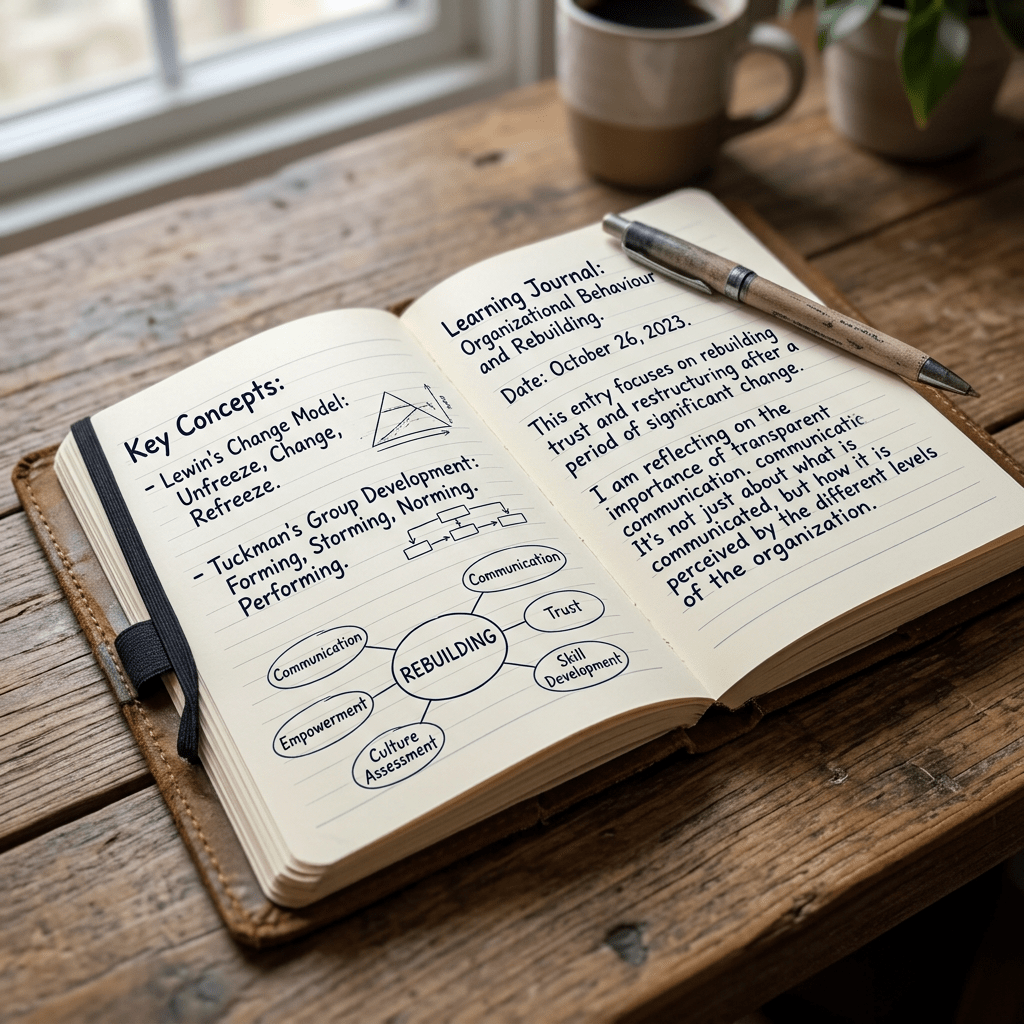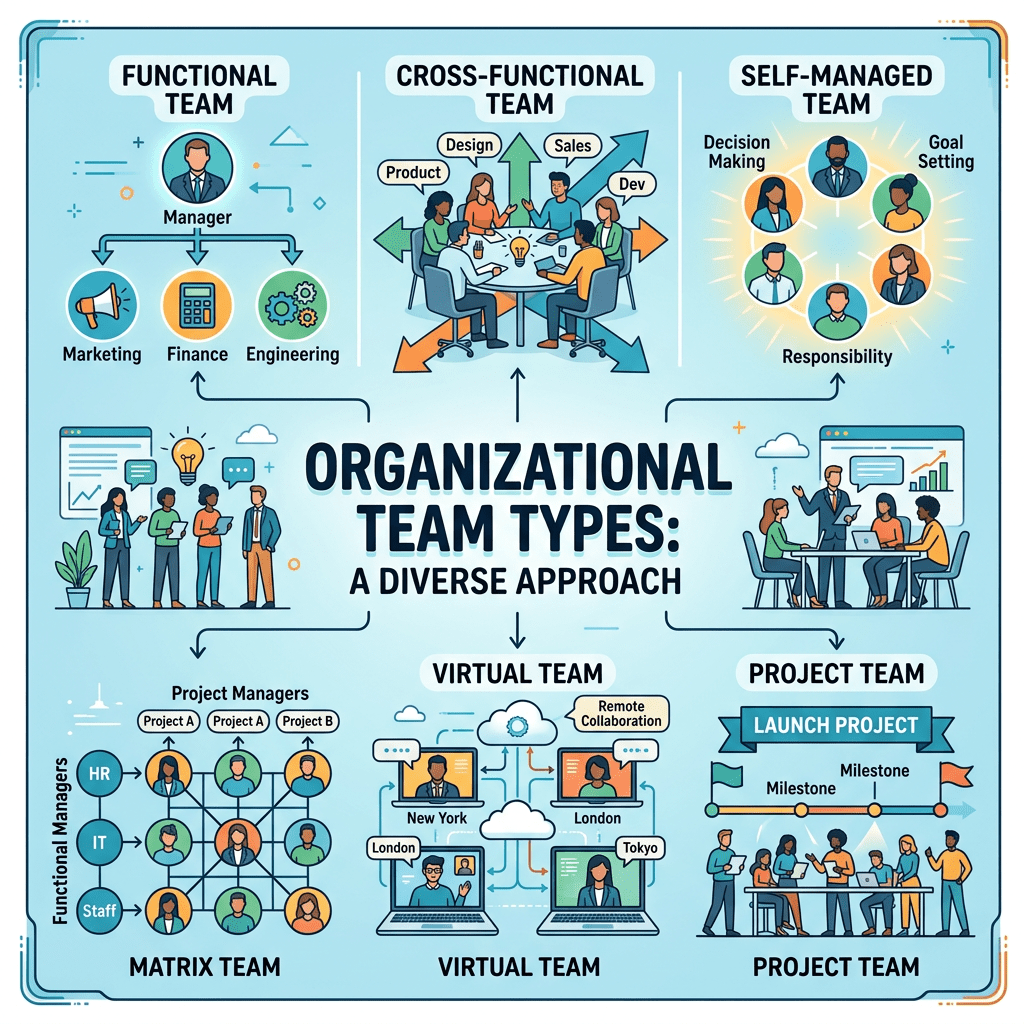
From the Ledge: Sometimes you do not need a long explanation. Sometimes you need a card you can look at when your chest is tight, your thoughts are racing, and your judgment feels compromised. The last two posts dealt with two related but different problems: What to do when you are triggered How to tell … Continue reading Two Quick Cards for Triggers and Red Flags
Author: Lugh Sulian
Red Flag or Old Trigger?
From the Ledge: Not every alarm is false. Not every alarm is accurate either. One of the hardest parts of rebuilding is learning the difference. Once you start doing real inner work, you eventually run into a difficult question: Is this situation actually off, or is my system reacting to something older than the moment … Continue reading Red Flag or Old Trigger?
When You’re Triggered: The STAMP Protocol
From the Ledge: If you are triggered, you do not need a lecture. You need something simple enough to use before the old pattern takes over. In the last stretch of posts, we have been talking about triggers as timestamps. The idea matters because it changes the frame. What feels like an overreaction in the … Continue reading When You’re Triggered: The STAMP Protocol
Your Trigger Is Not the Whole Story
Disclaimer: This post is for education and reflection, not diagnosis or treatment. SOTL tools are practical field tools, not clinical terms unless explicitly stated. If you are in immediate danger, call local emergency services. If you are thinking about self-harm, contact a crisis line in your area right away. Reader’s Moment One of the hardest … Continue reading Your Trigger Is Not the Whole Story
Forgive the Self That Learned in Collapse
Disclaimer: This post is for education and reflection, not diagnosis or treatment. SOTL tools are practical field tools, not clinical terms unless explicitly stated. If you are in immediate danger, call local emergency services. If you are thinking about self-harm, contact a crisis line in your area right away. Reader’s Moment There is a difference … Continue reading Forgive the Self That Learned in Collapse
Stop Bleeding: The Moment You Move
Hello there. Funny thing — I’m still learning from you, my friend, even when you’ve been “gone” a while. Yesterday’s post, When they hurt you, then blame you for bleeding, pulled an older line out of my memory like it had teeth. It’s from Tombstone: “You gonna do something? Or are you just gonna stand … Continue reading Stop Bleeding: The Moment You Move
When They Hurt You, Then Blame You for Bleeding
I came across a line in the Inspire Diary about manipulation, and it hit a nerve — not because it’s “deep,” but because it names a pattern a lot of people live inside for years without having words for it. “Manipulation is when they hurt you, then make you feel guilty for bleeding.” That’s the … Continue reading When They Hurt You, Then Blame You for Bleeding
The Ceiling Isn’t Your Skills — It’s Your Belief
There are a lot of things that can get you pretty far in life. Your knowledge and skills can open doors. Hard work can carry you through long stretches. Who you know matters. Your personality—your banter, your presence—can change how people receive you. And sure, for some people, looks can help… until they don’t. But … Continue reading The Ceiling Isn’t Your Skills — It’s Your Belief
Reason Does Not Mean Repair, No Matter the Relationship
In regard to my previous post, Reason Does Not Mean Repair, some might think it does not quite fit within the realm of Standing on the Ledge or what this project is trying to accomplish. Respectfully, I would say it does fit, and it fits more than people might first assume. Although the original context … Continue reading Reason Does Not Mean Repair, No Matter the Relationship
Reason Does Not Mean Repair
Some ideas sound wise because they hold two truths at once. This is one of them. The post attributed to Damien Bohler tries to make room for both compassion and accountability. On the surface, that sounds like a healthy balance. And in part, it is. In relationships, people do mess up. People do get triggered. … Continue reading Reason Does Not Mean Repair