Don’t Make the Client Your Confidant

Three people discussing construction plans in a partially completed kitchen

Reader’s Moment: If you work inside someone else’s building, but you are employed by a third-party contractor, who do you complain to when something is going wrong? That sounds like a simple question. It is not. Because when you are the person physically on site, the client can start to feel like the real boss. … Continue reading Don’t Make the Client Your Confidant

Legal Silence as a Creative Discipline

Abstract painting combining cubist colorful shapes and surrealist seated figure separated by shattered glass

Some stories cannot be fully told while they are still moving through the machinery of consequences. That does not mean the work stops. It means the work has to become cleaner. Reader’s Moment Maybe you are carrying a story you cannot fully explain in public. Maybe there are legal reasons. Maybe there are employment reasons. … Continue reading Legal Silence as a Creative Discipline

The Body as the First Witness

Body showing stress signals and inner tension

Content note: This post discusses stress, exhaustion, body signals, shutdown, headaches, palpitations, memory gaps, irritability, numbness, social isolation, and suicide as a sociological topic through Durkheim. It is reflective and educational. It is not medical advice, mental health treatment, diagnosis, or crisis counselling. Body receipts are not proof of a specific condition and should not … Continue reading The Body as the First Witness

Repair, Not Only Boundary

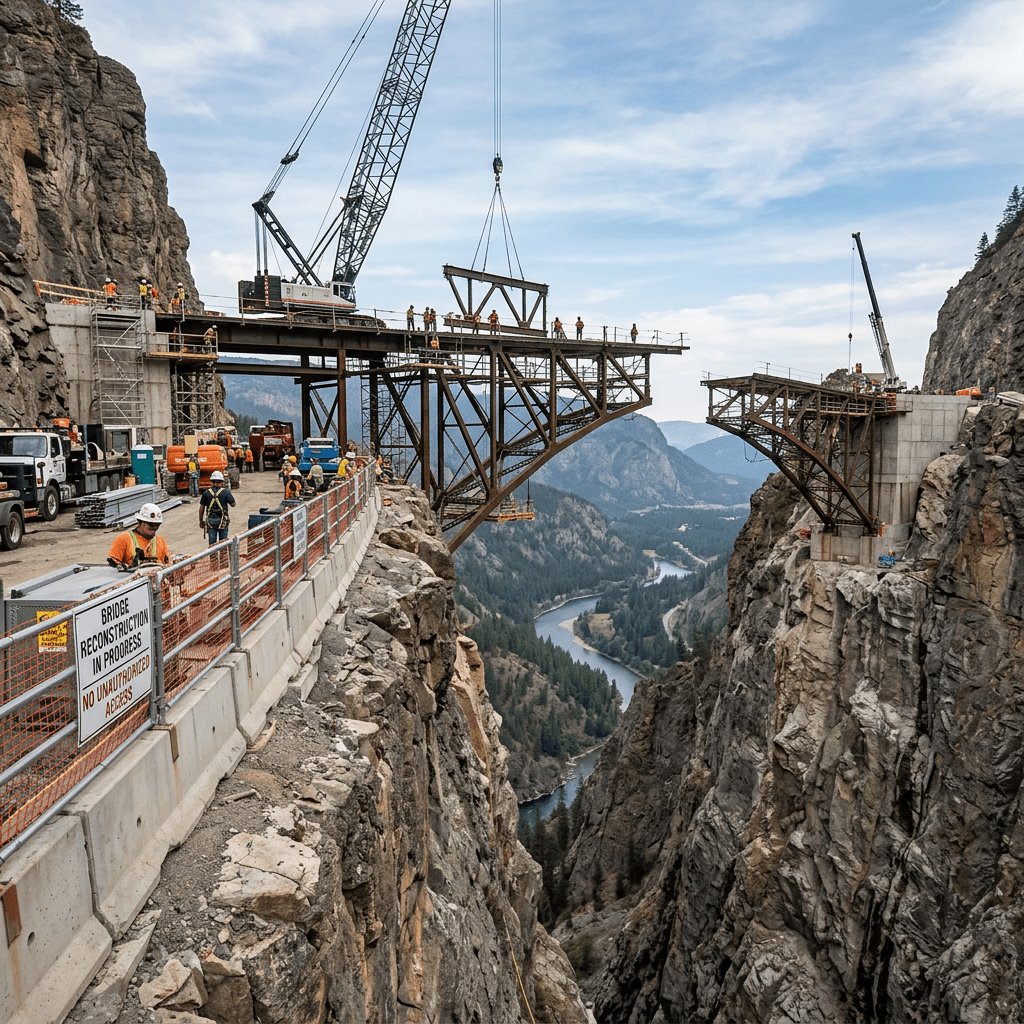
Bridge rebuilding between two separated cliffs with barrier

Content note: This post discusses conflict, apology, repair, boundaries, coercion, retaliation, and trust. It is educational and reflective. It is not therapy, legal advice, workplace representation, or crisis support. If you are dealing with danger, abuse, retaliation, coercion, or legal exposure, prioritize safety and seek qualified support. Reader’s Moment Sometimes you set the boundary. You … Continue reading Repair, Not Only Boundary

The Clean Ask: How to Clarify Without Escalating

Two professionals having calm direct conversation

A follow-up to “Stop Asking ‘Are We Good?’,” “Email Is Not a Repair Tool,” “Stop Playing Telephone at Work,” and “The Three Conversations Under Every Conflict.” Reader’s Moment: Something has shifted, and you need to ask about it. The tone changed. The instructions moved. The expectation got bigger. The reply felt shorter than usual. The … Continue reading The Clean Ask: How to Clarify Without Escalating

What They Are Fighting About Usually Is Not the Whole Fight

Iceberg representing conflict with visible positions above water and hidden interests below water

Reader's Moment: The visible argument looks small, but it feels bigger than the facts should justify. That usually means the surface issue is carrying freight from somewhere deeper. Why this matters: Because positions are what people say they want. Interests are what they are trying to protect. From the Ledge: A lot of conflict gets … Continue reading What They Are Fighting About Usually Is Not the Whole Fight