A reflection on Great Thinkers: Simple Tools from Sixty Great Thinkers to Improve Your Life Today, published by The School of Life Introduction Great Thinkers is not easily confined to one academic subject. It brings together philosophy, political theory, sociology, psychology, Eastern thought, art, architecture, and literature. Its purpose is not simply to explain what … Continue reading Learning Journal: Great Thinkers
Category: Field Lab: Learning Journals
These posts connect course material in organizational behaviour, communication, conflict, psychology, sociology, and systems thinking to the real-world work of collapse recovery, agency, pressure, accountability, and rebuilding.
Some entries are more reflective than polished. That is intentional. This is the development bench where raw notes become field observations, tools, protocols, case studies, and future book material.
The journals are not separate from the work. They are part of how the work is built.
Learning Journal: Introduction to Criminology
A reflection on Introduction to Criminology: A Canadian Open Education Resource by Shereen Hassan and Dan Lett Introduction Introduction to Criminology: A Canadian Open Education Resource provides more than an explanation of crime, criminal behaviour, and the Canadian justice system. It examines how societies decide what is right or wrong, how conduct becomes criminalized, who … Continue reading Learning Journal: Introduction to Criminology
Learning Journal: Essentials of Abnormal Psychology in a Changing World
A reflection on Essentials of Abnormal Psychology in a Changing World, Fifth Canadian Edition, by Jeffrey S. Nevid, Spencer A. Rathus, Beverly Greene, and Linda Knight Introduction Essentials of Abnormal Psychology in a Changing World examines psychological disorders, their possible causes, their effects on individuals and families, and the different approaches used in assessment and … Continue reading Learning Journal: Essentials of Abnormal Psychology in a Changing World
Learning Journal: The World of Psychology
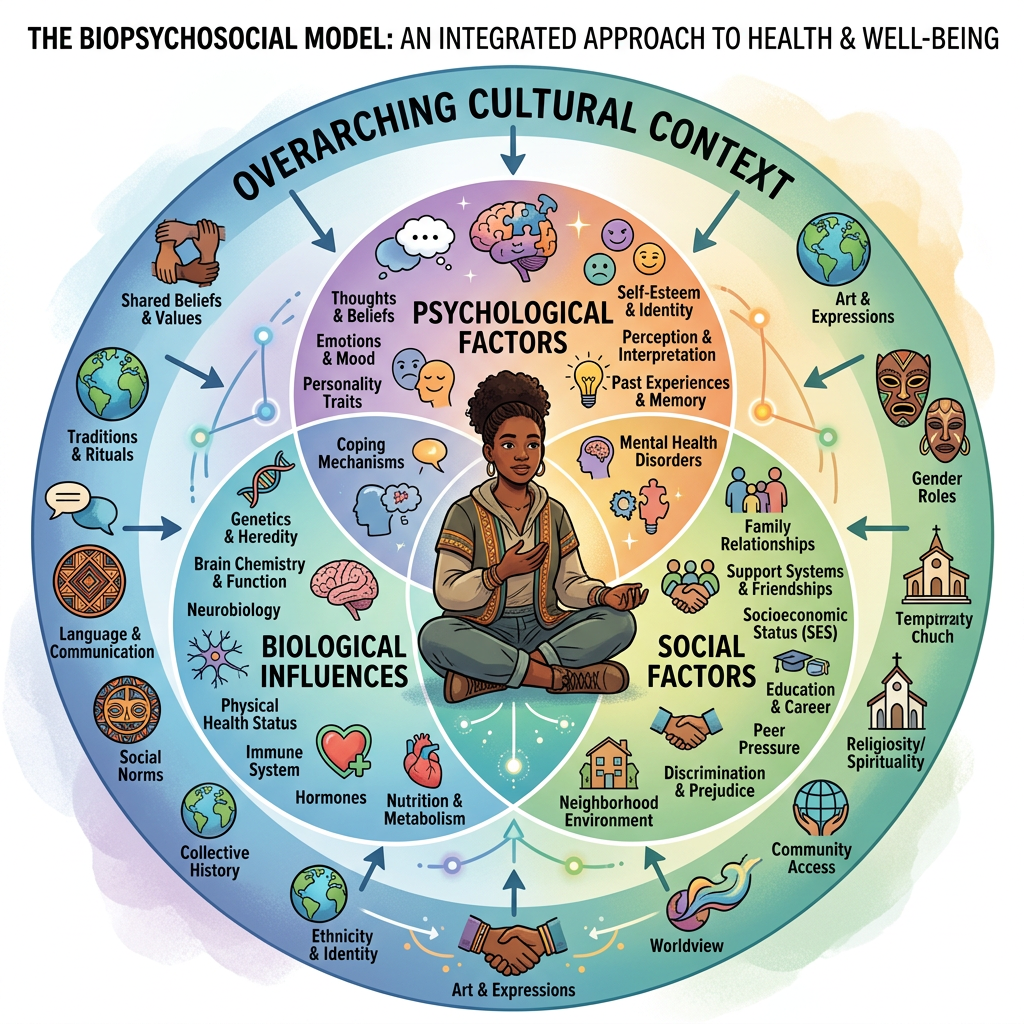
A reflection on The World of Psychology, Ninth Canadian Edition, by Samuel E. Wood, Ellen Green Wood, Denise Boyd, Eileen Wood, and Serge Desmarais Introduction The World of Psychology provides a broad introduction to the scientific study of human thought, emotion, and behaviour. The book examines how biological processes, personal experiences, relationships, learning, culture, and … Continue reading Learning Journal: The World of Psychology
Learning Journal: The Sociology Book
A reflection on The Sociology Book: Big Ideas Simply Explained Introduction Reading The Sociology Book: Big Ideas Simply Explained changed the way I understand sociology. Before engaging with the book, I largely viewed sociology as the academic study of society, institutions, social classes, and group behaviour. While this definition was technically correct, it did not … Continue reading Learning Journal: The Sociology Book
Integration, Regulation, Communication, and Social Rupture
Émile Durkheim’s Suicide through organizational behaviour, conflict management, and the Standing on the Ledge framework Introduction Émile Durkheim’s Suicide: A Study in Sociology, first published in 1897, was a major attempt to demonstrate that even an intensely personal act could be studied partly as a social fact. Durkheim examined differences in suicide rates among groups … Continue reading Integration, Regulation, Communication, and Social Rupture
From Personal Trouble to Organizational Issue
C. Wright Mills’ The Sociological Imagination through communication, conflict management, and the Standing on the Ledge framework Introduction In The Sociological Imagination, published in 1959, C. Wright Mills argues that people can understand their lives more clearly when they connect personal biography with social structure and historical change. His best-known distinction is between personal troubles … Continue reading From Personal Trouble to Organizational Issue
Power, Communication, and Conflict Behind the Organizational Chart
C. Wright Mills’ The Power Elite through an organizational behaviour and Standing on the Ledge perspective Introduction In The Power Elite, published in 1956, sociologist C. Wright Mills argues that the most consequential decisions in American society had become concentrated among leaders occupying the upper levels of three major institutional systems: large corporations, the military … Continue reading Power, Communication, and Conflict Behind the Organizational Chart
Communication, Conflict, and the Institutional Control of Identity
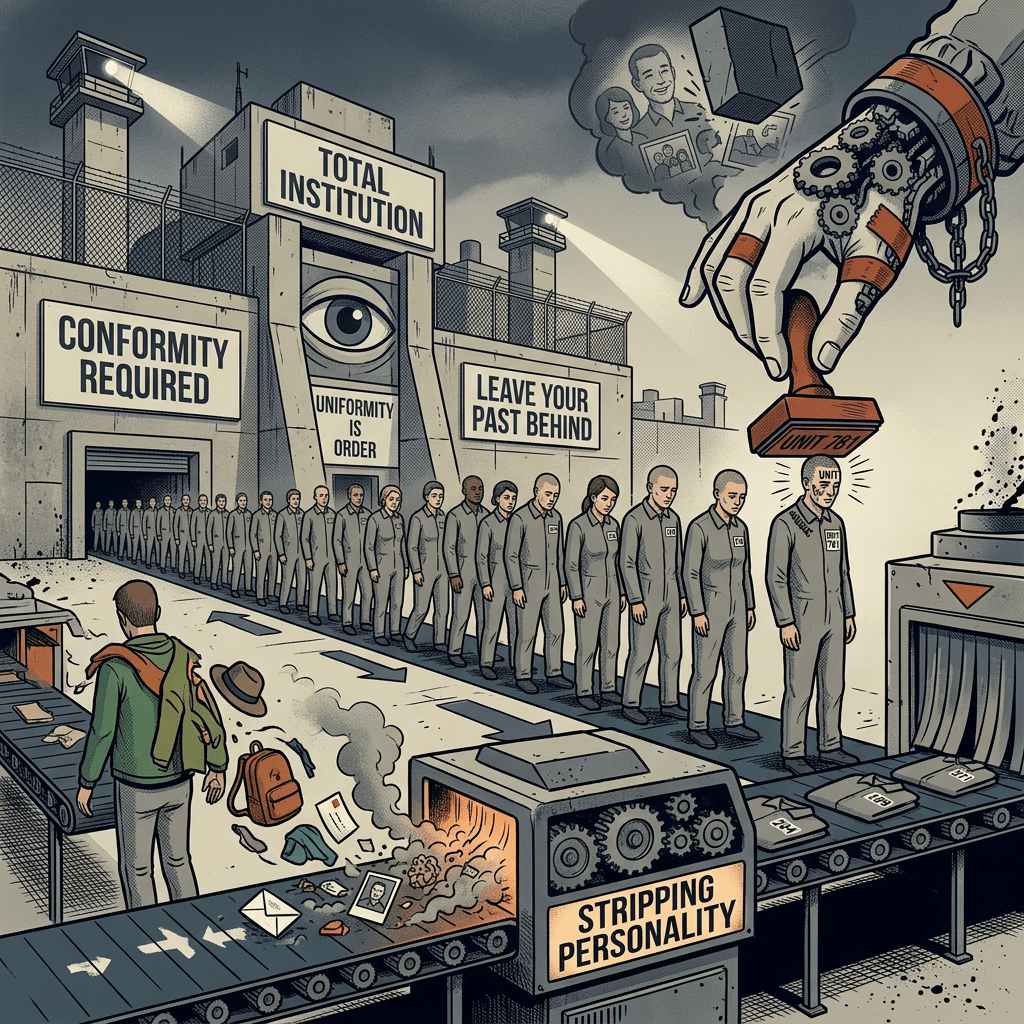
Erving Goffman’s Asylums through an organizational behaviour and Standing on the Ledge perspective Introduction Erving Goffman’s Asylums: Essays on the Social Situation of Mental Patients and Other Inmates examines how people experience life inside what he calls total institutions. These are organizations in which a large portion of a person’s daily life occurs under a … Continue reading Communication, Conflict, and the Institutional Control of Identity
MGT2382 Week 13 Learning Journal: Organizational Change and the Difference Between Movement and Repair
Date: Calendar week: August 4-August 10, 2026 Category: Field Lab Learning Journals > MGT2382 Learning Journal Course link: MGT2382 Organizational Behaviour – Week 13: Organizational Change; McShane Chapter 15. Lens: Critical lens: change is not automatically progress; it becomes progress only when it is honest, supported, and connected to real repair. Opening reflection This week’s … Continue reading MGT2382 Week 13 Learning Journal: Organizational Change and the Difference Between Movement and Repair