Podcast Episode Six: What the Fight Is Really About



Practical traction after a hard hit—field notes and tools for rebuilding without performative positivity

A reflection on Great Thinkers: Simple Tools from Sixty Great Thinkers to Improve Your Life Today, published by The School of Life Introduction Great Thinkers is not easily confined to one academic subject. It brings together philosophy, political theory, sociology, psychology, Eastern thought, art, architecture, and literature. Its purpose is not simply to explain what … Continue reading Learning Journal: Great Thinkers

A reflection on The World of Psychology, Ninth Canadian Edition, by Samuel E. Wood, Ellen Green Wood, Denise Boyd, Eileen Wood, and Serge Desmarais Introduction The World of Psychology provides a broad introduction to the scientific study of human thought, emotion, and behaviour. The book examines how biological processes, personal experiences, relationships, learning, culture, and … Continue reading Learning Journal: The World of Psychology
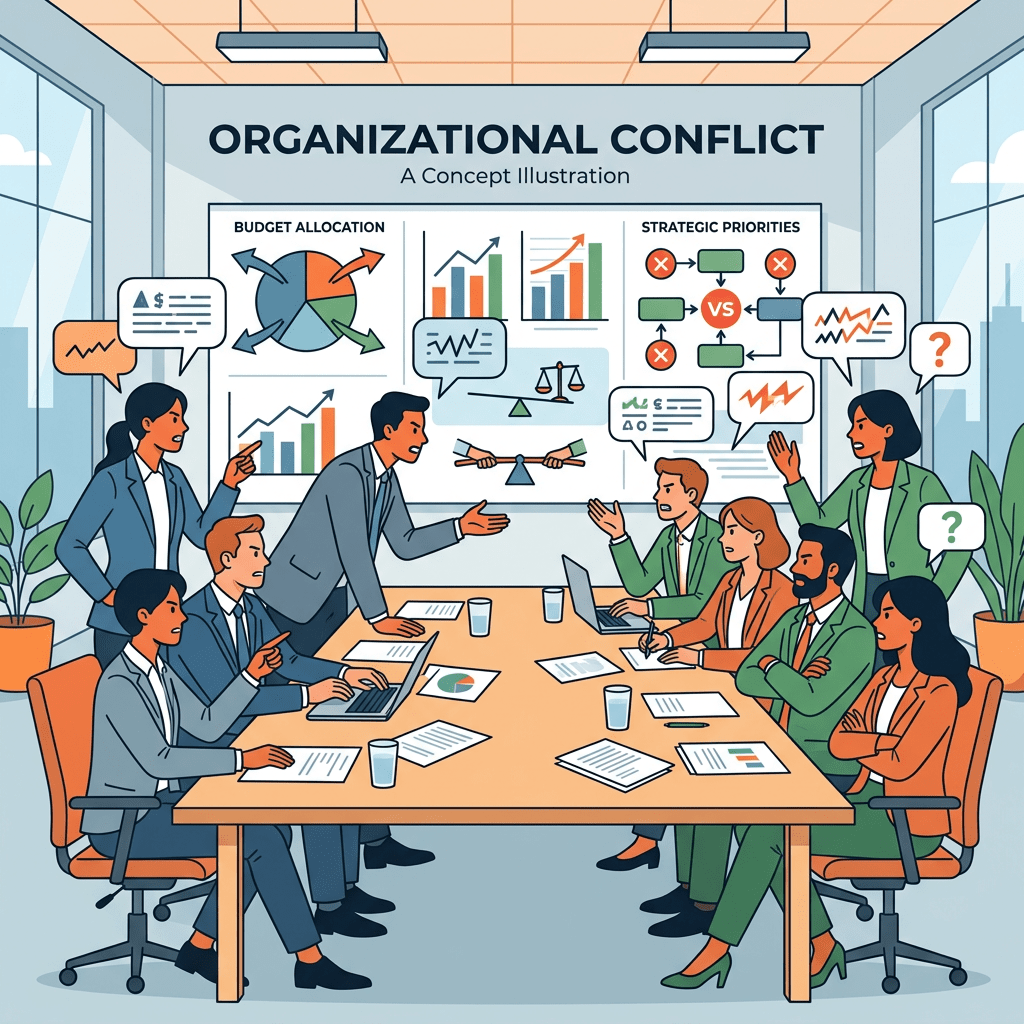
Module focus Conflict, conflict sources and management styles, negotiation, BATNA, and third-party dispute resolution LensConflict is information. The task is to keep disagreement attached to the issue before it becomes damage between people. Topic Focus This learning journal examines conflict as a normal feature of organizational life rather than an automatic sign of failure. It … Continue reading Module 9 Learning Journal Conflict, Negotiation, and the Work of Resolution

Date: Calendar week: July 7-July 13, 2026 Category: Field Lab Learning Journals > MGT2382 Learning Journal Course link: MGT2382 Organizational Behaviour – Week 9: Conflict; McShane Chapter 11. Lens: Critical lens: conflict is not automatically failure; sometimes it is the first honest signal that something in the system needs attention. Opening reflection This week’s material … Continue reading MGT2382 Week 9 Learning Journal: Conflict, Boundaries, and the Cost of False Peace

Reader's Moment There is a moment after pressure hits when life becomes all reaction. Answer the message. Check the account. Explain yourself. Defend yourself. Put out the fire. Apologize. Recalculate. Replay. Brace. You are moving, but not always choosing. That is the difference between reaction and agency. Standing on the Ledge lives in that difference. … Continue reading From Reaction to Agency

Reader's Moment Some people do not just think under pressure. They hold court. The prosecutor stands up first. You should have known. You always do this. You trusted too easily. You were weak. You are guilty. Then the defense rushes in. But I tried. But they changed the terms. But I had no choice. But … Continue reading From Inner Courtroom to Clipboard

Reader's Moment There is a special kind of exhaustion that comes from being responsible for something you cannot actually control. You are expected to make the result happen, but you do not control the resources. You are expected to maintain the standard, but someone else changes the terms. You are expected to keep people happy, … Continue reading Responsibility Without Authority Is a Trap

Reader's Moment There are two bad exits when you are under pressure. The first is refusing help because needing help feels like failure. The second is accepting help in a way that hands over the wheel of your life. One leaves you isolated. The other leaves you managed. Neither is agency. Help Without Collapse is … Continue reading Help Without Collapse: How to Ask Without Handing Over the Wheel

Organizational Behaviour on the Ledge: What We Have Learned So Far Standing on the Ledge began as a record of collapse, but the Organizational Behaviour learning journals have started to give that collapse a working language. At first, SOTL was about impact: what happens when the floor drops out, when work disappears, when trust breaks, … Continue reading Learning to See the System

