
Reader’s Moment
There is pressure to make recovery look good.
To have the lesson ready.
To sound wise.
To explain the transformation.
To be grateful for the wound because it made you stronger.
To turn the collapse into a clean story with a satisfying arc.
Sometimes that arc exists.
Often it does not exist yet.
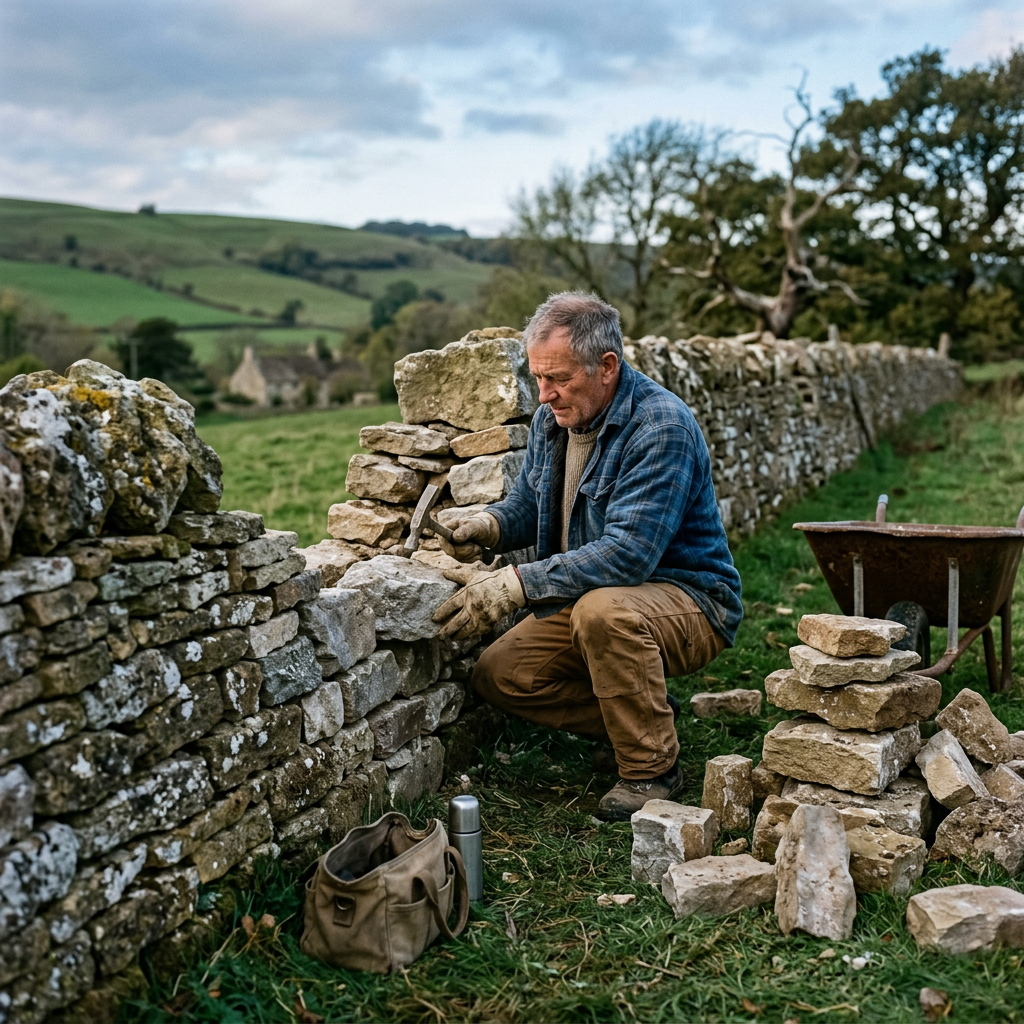
Sometimes rebuilding looks like eating something, answering one email, not checking the numbers again, taking the garbage out, making the call, and going to bed without making the situation worse.
That still counts.
You do not have to perform recovery to be rebuilding.
The performance trap
Recovery performance is what happens when the outside story moves faster than the inside truth.
You start saying things because they sound like what a rebuilding person should say.
I am stronger now.
Everything happens for a reason.
I have moved on.
I am grateful for the lesson.
I am no longer angry.
Maybe some of that is true. Maybe it will become true later. But forced too early, it becomes another mask.
Standing on the Ledge should not require that mask.
The work is allowed to be unfinished.
Rebuilding is often boring
Real rebuilding is often repetitive and unglamorous.
Update the ledger.
Sort the documents.
Make the appointment.
Check the bill once.
Clean the room.
Clarify the expectation.
Do the course reading.
Write the post.
Rest before answering.
Try again tomorrow.
There may be no dramatic music under any of it.
Good.
A life is rebuilt through unphotogenic actions more often than grand declarations.
You are allowed to still be angry
This needs to be said clearly.
Rebuilding does not require pretending the injury was acceptable.
You may still be angry.
You may still be grieving.
You may still be confused.
You may still want answers.
You may still feel the old spike when a name, place, bill, message, or memory appears.
That does not mean you are not rebuilding.
It means the wound still has weather.
The question is whether the weather controls every decision.
You are allowed to be inconsistent
One day you may write clearly.
The next day you may feel like you have forgotten everything you learned.
One day you may use the tool.
The next day you may spiral before remembering the tool exists.
One day you may feel capable.
The next day you may feel five steps behind.
That is not necessarily hypocrisy. It may simply be human recovery under load.
Consistency matters, but consistency is built. It is not magically present because you declared a new chapter.
The quiet signs of rebuilding
Rebuilding may show up quietly.
You notice the shame sentence sooner.
You wait before sending the reply.
You ask for clarification instead of absorbing confusion.
You put the bill on paper instead of avoiding it.
You tell someone what kind of help you need.
You recognize a Phase 0 warning light before it becomes a Phase 1 emergency.
You stop calling every setback proof that the whole project is doomed.
You keep one promise to yourself.
These are not small.
They are the architecture of agency.
Do not turn the project into a costume
This matters for anyone writing publicly about recovery, including me.
The work can become a costume if the writer feels required to always sound healed, always sound useful, always sound wise, always convert pain into a clean tool before the pain has even finished speaking.
That pressure can quietly recreate the very thing the work was meant to resist.
Standing on the Ledge has to remain human.
Not sloppy. Not careless. Not legally reckless. Not endless venting.
Human.
The reader does not need a guru on the cliff. The reader needs an honest field report from someone learning how not to fall the same way twice.
The balance
Do not perform recovery.
Also, do not romanticize staying stuck.
That is the balance.
You do not have to pretend to be done.
You do have to keep choosing the next honest action when you can.
You do not have to turn every wound into content.
You do have to decide what container the wound needs.
You do not have to be inspirational.
You do have to be responsible with the story.
You do not have to be fully healed to build something useful.
You do have to avoid making the wound the only architect.
The field rule
Recovery does not have to perform.
Rebuilding does not have to sparkle.
Agency does not always feel powerful.
Sometimes it feels like a plain next step taken with a tired body and an unfinished heart.
That still counts.
Walk the ledge honestly.
Do not turn healing into theatre.
Build anyway.
Godspeed.
Field Manual Expansion Series: This post is part of a 20-part Standing on the Ledge sequence expanding the core tools, protocols, and pressure points behind the Field Manual.
Previous: The Field Manual Is Not a Cure. It Is a Handle. — [link previous post]
Next: None — this is the final post in the series.
Discover more from Standing on the Ledge
Subscribe to get the latest posts sent to your email.

