The post explores the concept of emotional shutdown, distinguishing it from mere numbness, and emphasizes that it often results from prolonged stress and unmet social needs. It proposes a structured approach to safely navigate out of shutdown, recommending basic self-care, grounding techniques, and small active steps, while cautioning against impulsive decisions.
Category: Phase 1
• Impact: The hit lands. Shock, anger, disbelief, shutdown.
• Triage focus: Stop the bleeding. Reduce decisions. Don’t create permanent consequences while escalated.
• Core protocol: The First 72 Hours — containment first (food, water, heat, sleep, safety); no irreversible decisions while escalated.
• Core tools called out: Shock / Disbelief Scaffold; Anger-as-Information (Boundary Line); Shutdown Exit (when you go numb).
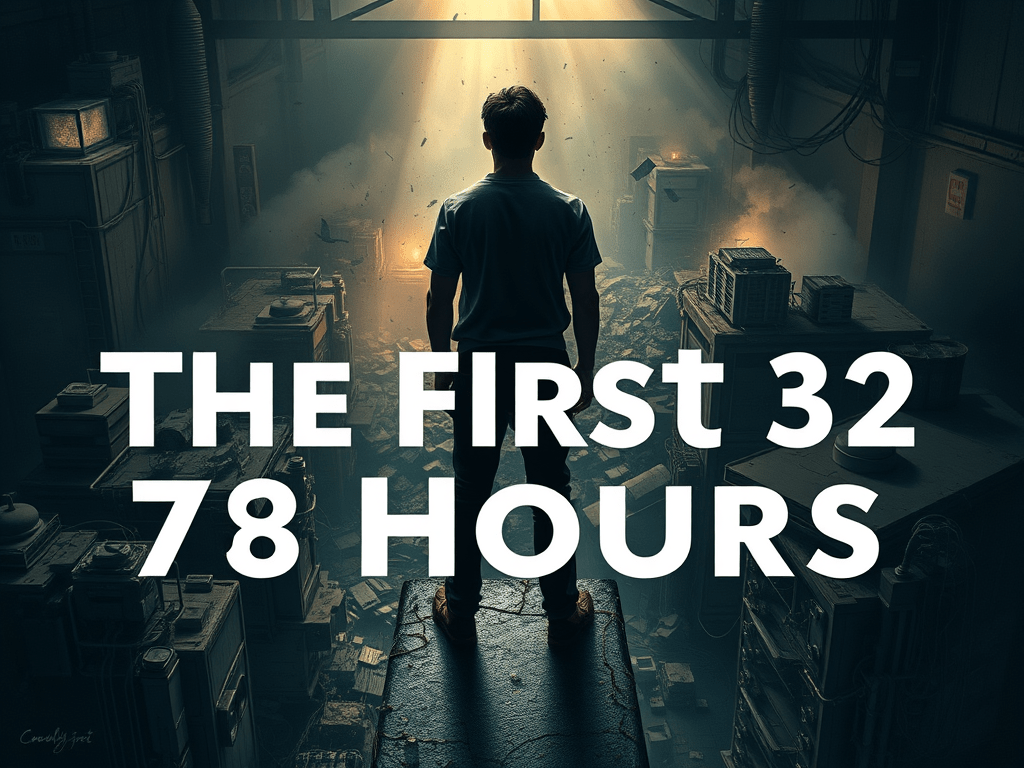
The First 72 Hours After Collapse: What to Do and What Not to Do
The text discusses the initial three days following a life disruption, referring to it as a "collapse" where routines falter. It outlines a 72-hour protocol focused on stabilization, decision-making, and practical actions to mitigate damage. Emphasis is placed on maintaining safety, gathering evidence, and prioritizing essential tasks to rebuild effectively.
The Role of Anger in Regaining Control
Anger is often misunderstood as weakness, but it serves as important information about personal boundaries and violated expectations. Recognizing anger as a signal can aid in regaining control after shock. The key is to direct it towards identifying harmful patterns rather than targeting individuals, ultimately transforming anger into healthy boundaries.
Coping with Shock: How to Regain Control and Stability
Shock can manifest quietly as emotional numbness and time distortion, indicating an acute stress response. To cope, focus on reducing decisions, stabilizing basic needs, externalizing time, and achieving small daily goals. Connection with others is vital, and seeking professional help is essential if detachment or severe distress persists.
Understanding ‘Standing in the Rubble’: A Raw Take on Life
The "Standing in the Rubble" videos blend self-help and personal reflection amidst life's chaos. The creator expresses their struggles openly, using the metaphor of rubble to signify life’s uncertainties. These vlogs aim to support others facing similar challenges, highlighting that one can help while still navigating their own mess.
From Breakdown to Breakthrough: Navigating Life’s Challenges
Day 3 reflects on the struggle between old habits and new intentions during periods of transformation. It emphasizes the importance of facing uncomfortable truths, admitting where we are, and finding strength in vulnerability. The journey involves sorting through the rubble of our past to rebuild with purpose, signaling the promise of new beginnings.
Embracing the Aftermath: How to Start Again
The content emphasizes the resilience required after experiencing a collapse. It acknowledges the difficulty of beginning again and the slow, often clumsy process of rebuilding. True strength lies not in perfection but in persistence and small choices that affirm one’s existence. Embracing change, one can discover a new self worth fighting for.
When Rock Bottom Becomes a New Beginning
The content offers encouragement to those feeling overwhelmed by personal losses. It emphasizes that hitting rock bottom is not the end, but rather a chance for rebirth and growth. By letting go of past pressures and expectations, individuals can find strength and resilience, allowing them to rebuild and move forward with courage.